
Owning a home can sometimes feel overwhelming. Sure, there’s the joy of having a space completely your own to design and use as you please. But then there’s the revelation that you’re completely in charge. If the roof leaks, you must find the cause and then hire someone to repair it. You’re also in charge of clearing the snow, raking the leaves, mowing the yard, etc., etc.
Taking care of your home can feel never-ending, especially if you live alone. Amanda Przynski is the Project Manager of Panda’s Punchlist, a Twin Cities-based remodeling company that helps people with home renovation projects, big and small. Amanda has been in the renovations industry for over three decades and believes in empowering people to fix and maintain their homes.
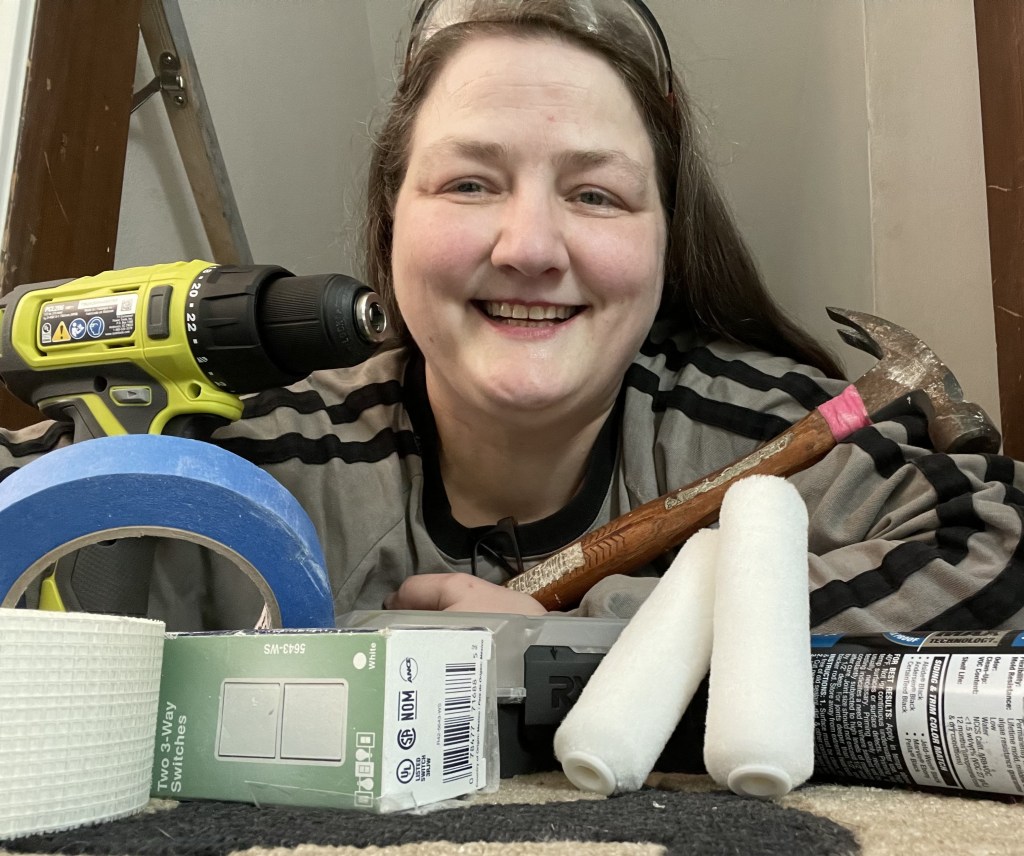
To make keeping your house up easier, here are a few things to add to your home maintenance checklist.
Drain your water heater
Amanda recommends you drain your water heater once a year. Doing so can help your water heater last longer. Bonfe states, “Sediment accumulates on the bottom of your water heater over time, especially if you live in an area with hard water. In a gas water heater, these sediment deposits can create hot spots that cause tank damage and failure. In an electric water heater, they can cause the lower heating element to fail.”
Here’s how you drain your water heater.
- Your water heater has a spigot or faucet near the bottom. Attach a garden hose to the spigot and then run the hose to a floor drain or a laundry sink. You will be emptying your entire water heater, so a bucket isn’t going to do it.
- A cold water valve will be on the wall above your water heater. Turn that off, so your water heater doesn’t continue filling with water. Amanda says turning it off typically means turning the handle 90 degrees so it’s perpendicular to the pipe
- Your water heater also has a heat dial, which should be near the bottom of the water heater. Turn the dial completely down.
- Open the faucet on your water heater that’s attached to the garden house. You want to let the water heater completely drain. Depending on the number of gallons in the tank, it can take up to an hour to drain.
- When the faucet has stopped dripping, close the spigot on your water heater.
- Turn the cold water valve back on.
- Turn the heat back up on the dial on your water heater.
It will take a while for your tank to fill up and heat the water, so don’t jump in the shower right away!
Turn off the water to your hose
Most homes have some sort of outside faucet, so you can attach a garden hose. If you live in Minnesota (or any other place where your temp drops below freezing), turn off the water to the outside hose before the first freeze. The water line to your outside hose is most likely in the ceiling of your basement. If you’re unsure where the spigot is, go to the spot inside your house where the faucet comes in from the outside and follow that pipe until you find a turnoff valve. Once you think you’ve turned it off, go outside and turn on your hose faucet to make sure it’s really off, and the pipe is drained.
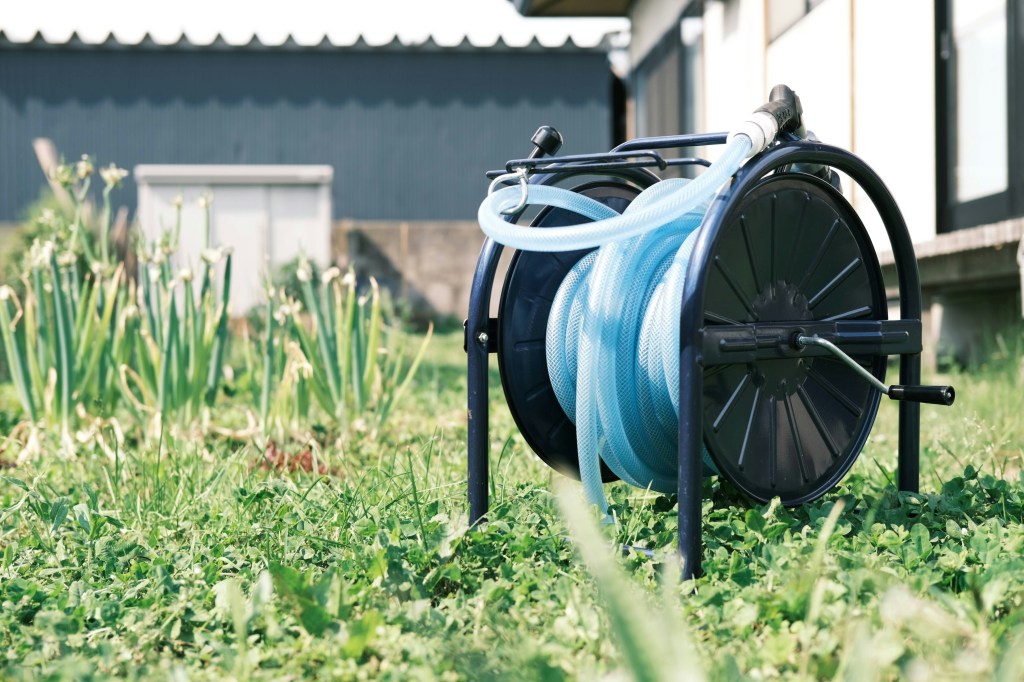
Turning off the water to your outside hose prevents that water from freezing during the winter and damaging your pipes and causing a leak or burst pipe.
Change your furnace filters
Not all homes have furnaces, but if yours does, change your furnace filter about every three months, says Amanda. However, if you’re having allergy issues, consider changing your furnace filters more frequently. There are different kinds of ratings for furnace filters, like Minimum Efficiency Reporting Value (MERV), Microparticle Performance Rating (MPR), and Filter Performance Rating (FPR). The FPR rating was developed by Home Depot, and different manufacturers use different ratings.
“With an older furnace, you might want to use a filter with a lower FPR rating because it’s easier for your furnace to blow through. That means less strain on an older furnace,” says Amanda. “Also, don’t fall for those ‘washable filters’ because these don’t really work.”
Another pro-tip from Amanda, many big box stores offer a discount on furnace filters if you buy in bulk. When you’re in the store, look at the price label, she says. Often, if you buy 4 at once, you can get “pro-pricing,” which is significantly less expensive.
Clean your gutters
Clean your gutters in the spring and fall. Leaves and plant debris build up and can cause your gutters to not drain properly. During the winter, this can cause ice dams, which can damage your roof.
“Gutter guards are great, but they aren’t 100%. So, you should still get up there in the fall and check your gutters,” Amanda says.
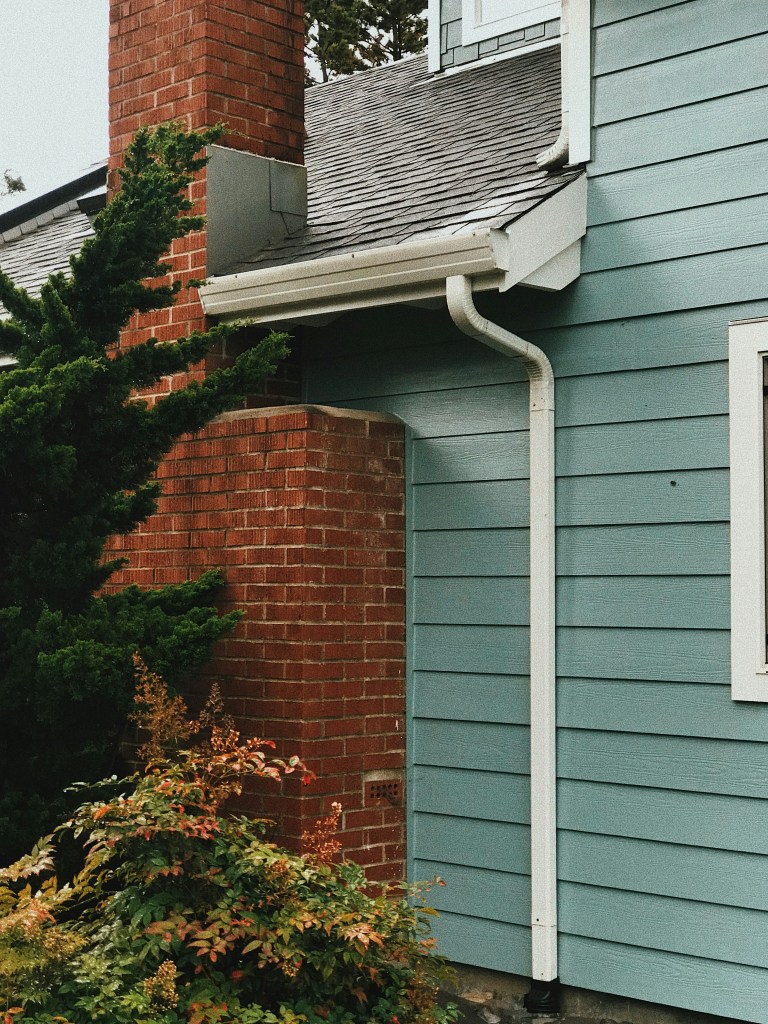
You should also check that your downspouts are draining away from your house. Experts recommend that your downspouts drain water four feet away from your house.
Of course, not everyone wants to get up on a ladder and clean their gutters. You can hire someone to clean your gutters, of course. Amanda recommends the local company, Clear Bright Washing, which works with people across the Twin Cities Metro.
Check your foundation
Amanda says it’s also a good idea to regularly check your foundation for cracks and damage. One way to keep track of the cracks is by keeping a home diary, where you write down how big a crack is, so you can track if it’s getting bigger. Also, look for visible water intrusion in your basement.
There are some DIY soluations to prevent water from seeping through foundation walls, like Rapid Set Water Stop Hydraulic Cement Crack Filler. You can also fill cracks with a quick-drying cement, like Rapid Set Waterproofing Mortar. However, cracks in a foundation can mean bigger problems.
If cracks are getting wider, changing direction, or following the mortar lines diagonally aka “stair-stepping,” it’s time to get a professional. A concrete foundation or structural engineer can help evaluate the causes and solutions.
Clean the back of your fridge and stove
You probably clean the inside of your fridge on a regular basis, but you might not know that you can clean the back of your fridge, too. A refrigerator is usually on wheels, so you should be able to slide it out pretty easily. Then, you’ll want to clean the coils on the back, which can get gross and gummy and prevent your fridge from cooling as easily. There’s also typically a plate on the bottom of a fridge that you can pull off. Then, vacuum that area, as dust, dirt, and food also build up here.
Most stoves have an open area in the back with all the wiring and electronics and oven venting. Amanda suggests that you can clean the back and vent with a thin tube attachment on your vacuum. You may not be able to pull out the stove because of anti-tip brackets, so check that first. Also, use caution on gas stoves, and make sure to keep some slack in the gas line when pulling it out. You can also vacuum up any other debris that accumulates behind your stove. Again, this helps your stove work better and can help extend the life of the appliance.
 Behind the Shade MN
Leave a comment